
Your first visit
Are you not yet a patient with us? Read how to register and how the first appointment goes. In your application, you can already explain your questions and wishes.
Information for new patientsA denture can improve your quality of life. Learn more about what to expect and how to take good care of your prosthesis.
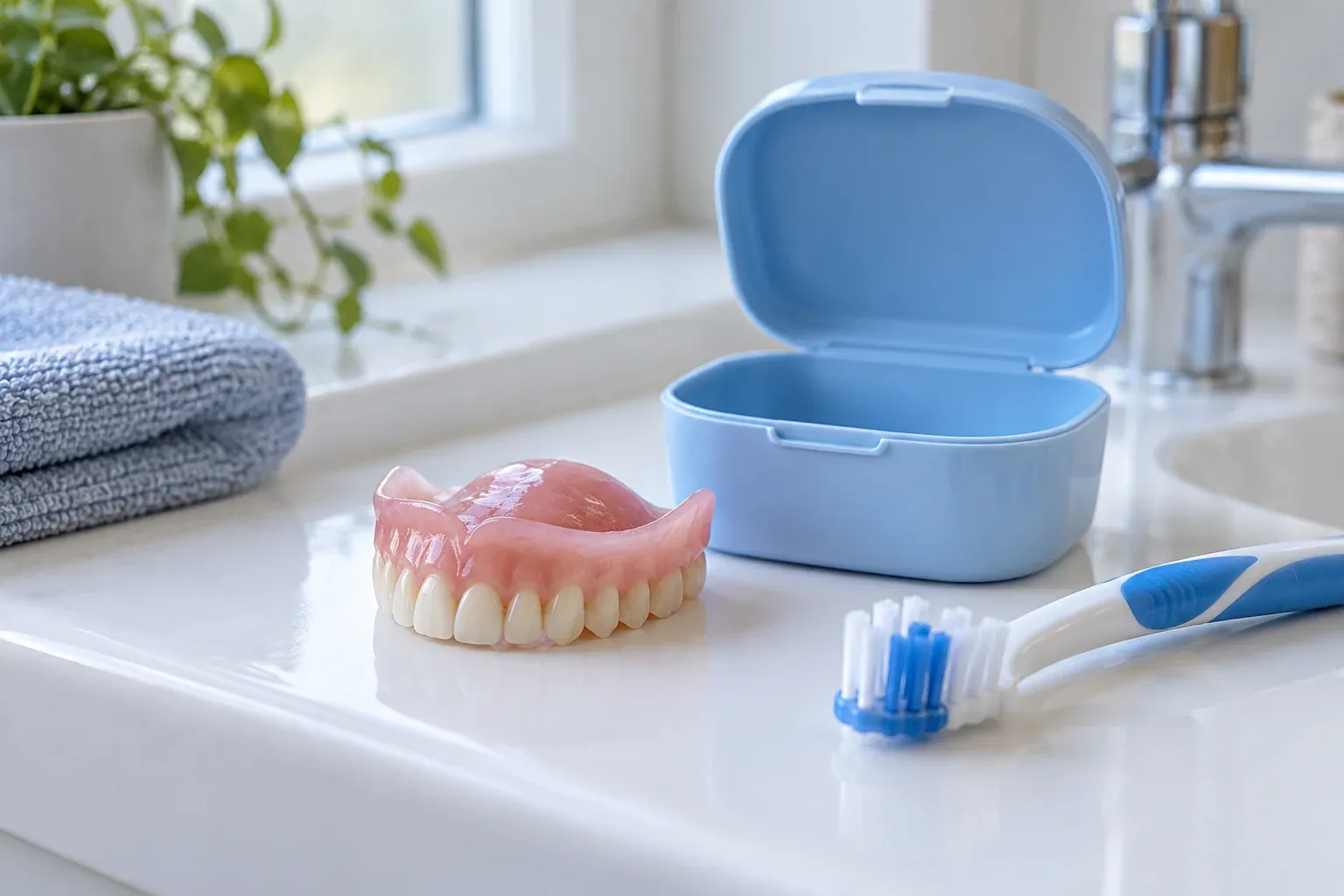
A denture provides a solution for people who have lost their natural teeth. In this guide, we discuss the various aspects of a complete removable prosthesis.
A denture is a removable prosthesis used to replace missing teeth. For many people, wearing a denture can be an important step in restoring their oral health and self-confidence. This article provides insight into the various aspects of a complete removable prosthesis, from preparation to maintenance.
A complete removable prosthesis replaces all teeth in the upper jaw, lower jaw, or both jaws. This offers an aesthetic solution, but there are also limitations. The prosthesis may not always fit well, which can lead to discomfort. Additionally, wearing a denture may take some getting used to at first.
The options for a denture are diverse. You can choose a standard prosthesis or a custom-made variant. It is important to discuss with your practitioner which option best suits your situation, so you can make an informed choice.
Before placing a denture, it is essential to undergo a thorough oral examination. This involves checking the health of your gums and jaw structure. If necessary, additional steps may be taken, such as removing remaining teeth.
During the preparation phase, impressions of your mouth are also made. These impressions are crucial for creating a prosthesis that fits well. It is important that you are open to any adjustments during this process, so that the final result is optimal.
After placing your denture, it may take some time to get used to it. Initially, you may experience some discomfort or even have sore spots. This is normal and can often be resolved with small adjustments by your practitioner.
It is important to take the time to get used to your denture. Try soft foods at first and avoid sticky or hard foods. This will help you become more comfortable with your new prosthesis.
If you experience sore spots, it is important to discuss this with your practitioner. Sore spots can lead to irritation and discomfort, and it is crucial to address these in a timely manner. Often, a simple adjustment to the prosthesis can make a significant difference.
It is advisable to schedule regular check-up appointments, especially in the first months after placing your denture. During these appointments, the practitioner can assess the fit and any sore spots and make adjustments as needed.
Proper cleaning of your denture is essential for your oral health. It is recommended to clean your prosthesis daily with a special denture cleaner or a soft toothbrush. Avoid aggressive cleaning agents, as these can damage your prosthesis.
Additionally, it is important to regularly check your mouth and gums for any irritations or changes. This can help detect problems early. Your practitioner can advise you on the best cleaning methods and frequency of check-ups.
The costs of a denture can vary depending on various factors such as the type of prosthesis and any adjustments needed. It is important to clarify the costs in advance and what is included or not.
Many health insurers offer reimbursement for dentures, but the amount of reimbursement can vary. It is advisable to check your policy and possibly seek advice from your practitioner about the options.
A thorough inspection of your oral health is the first step. Your practitioner will examine your gums and jaw structure.
Impressions of your mouth will be made to create a prosthesis that fits well.
After your prosthesis is made, it will be placed. You will receive instructions on how to get used to your new dentition.
Schedule regular check-up appointments to assess the fit and any pressure points.
Learn how to properly clean and maintain your denture for optimal oral health.
The adjustment to a denture varies from person to person. It usually takes a few weeks to months before you are fully accustomed to your new prosthesis. Give yourself time and be patient.
If you experience pressure spots, it is important to discuss this with your practitioner. Often, small adjustments to your prosthesis can resolve the issue.
Clean your denture daily with a special denture cleaner or a soft toothbrush. Avoid aggressive cleaning agents to prevent damage.
The reimbursement for a denture depends on your health insurer and policy. Check your insurance for specific details about reimbursements.
It is advisable to schedule regular check-up appointments, especially in the first months after getting your denture. This helps to detect any problems in a timely manner.
Are you not yet a patient with us? Read how to register and how the first appointment goes. In your application, you can already explain your questions and wishes.
Information for new patientsAre you apprehensive about an appointment? Tell us what you are worried about. Read more about our guidance and discuss what explanation or support you would find helpful.
Dealing with fear of the dentistAsk what treatment is being proposed and what costs are associated with it. Do you have questions about payment? Check the information about payment options or contact us.
Payment and payment optionsRequest an appointment, and we will see together what is needed.
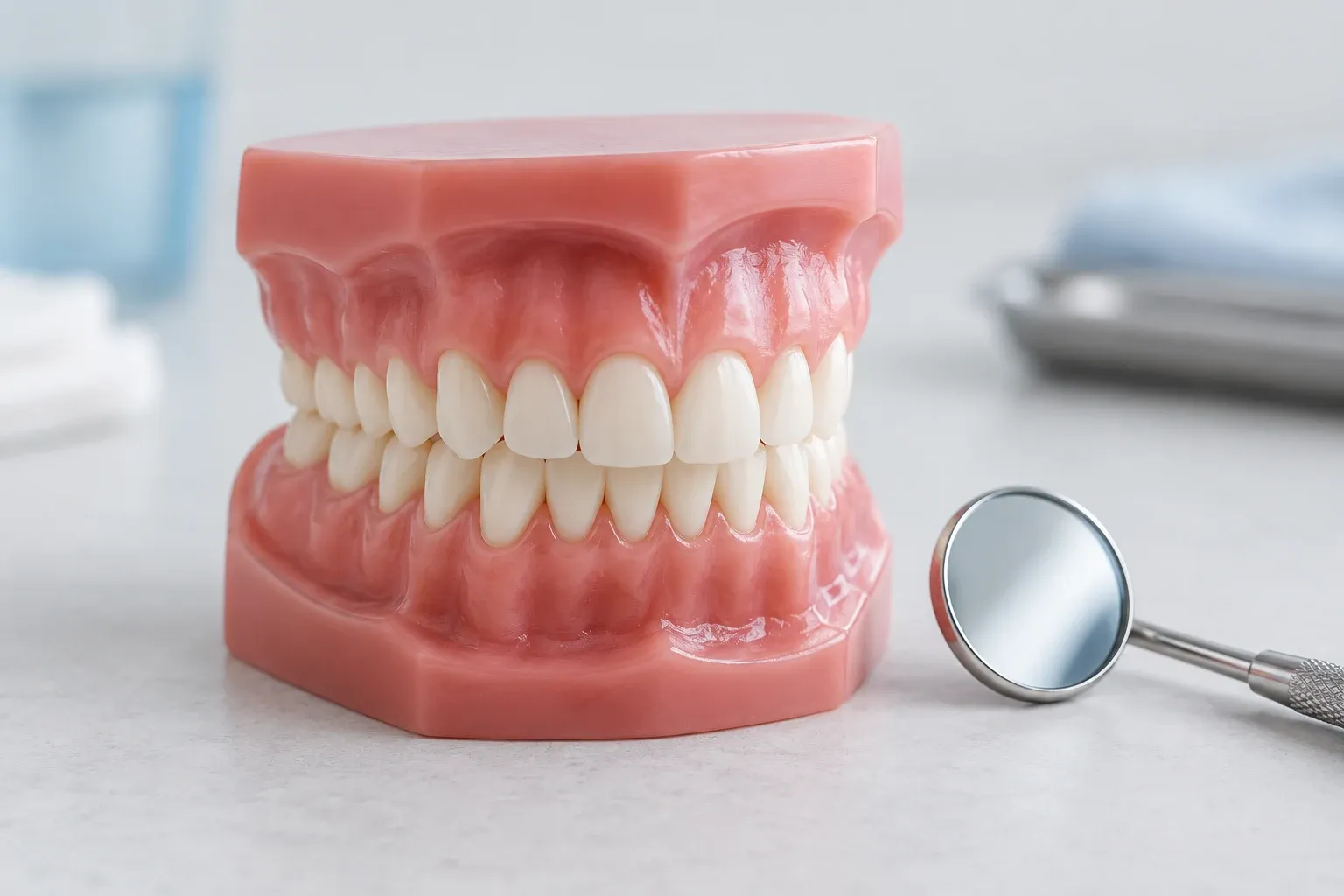
On this page, you will find comprehensive information about gum treatments, including diagnosis, treatment options, and aftercare. Each treatment is tailored to your personal situation.
View options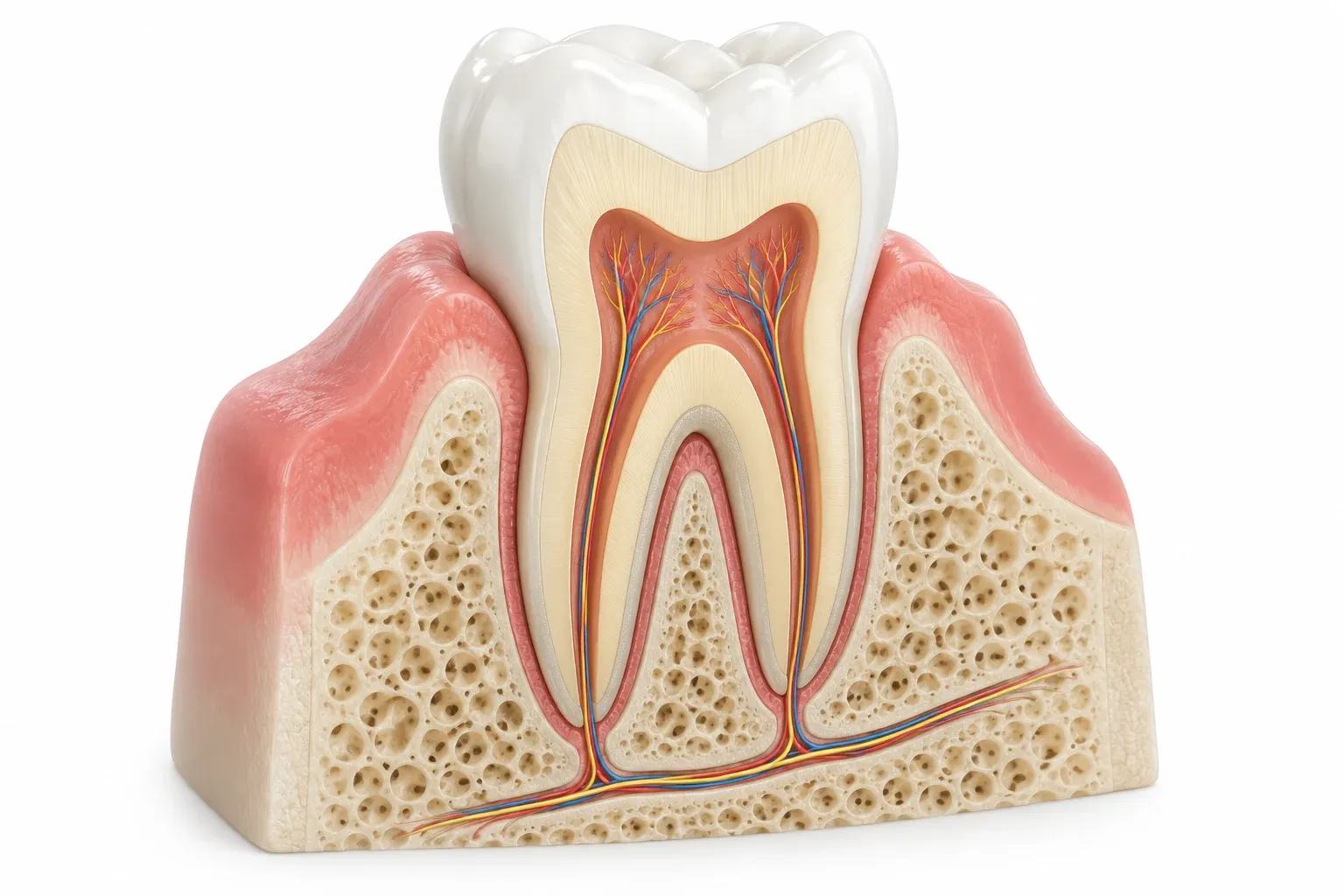
Discover the differences between superficial inflammations and deeper loss of supporting tissue, risk factors, and the importance of regular maintenance for your teeth.
View options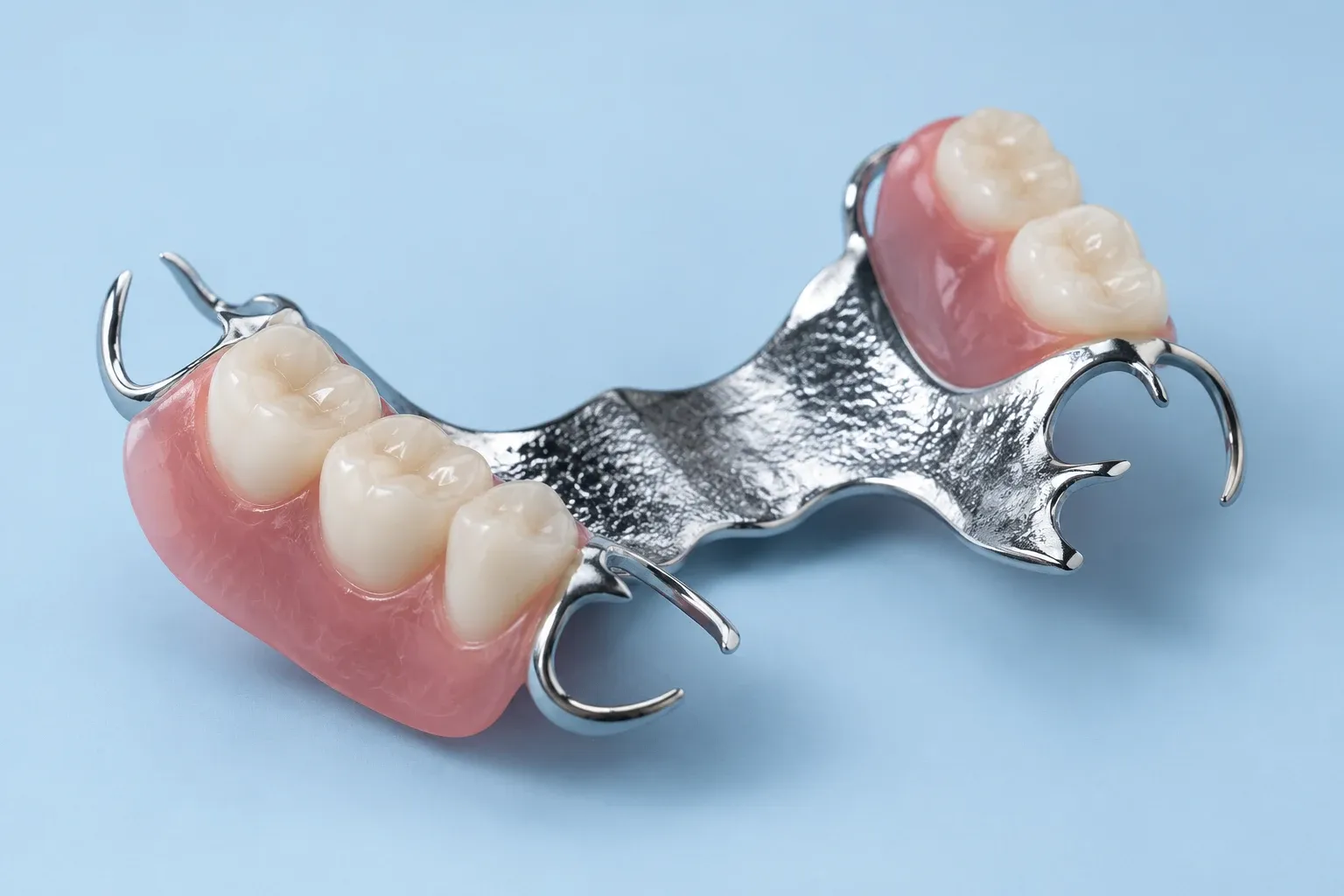
Framework prostheses are removable partial dentures that provide support on natural teeth. In this guide, we discuss the fit, adjustment, cleaning, and more.
View options