
Your first visit
Are you not yet a patient with us? Read how to register and how the first appointment goes. In your application, you can already explain your questions and wishes.
Information for new patientsGood oral hygiene is the foundation for a healthy set of teeth. Learn about plaque, tartar, and how to optimize your oral care.
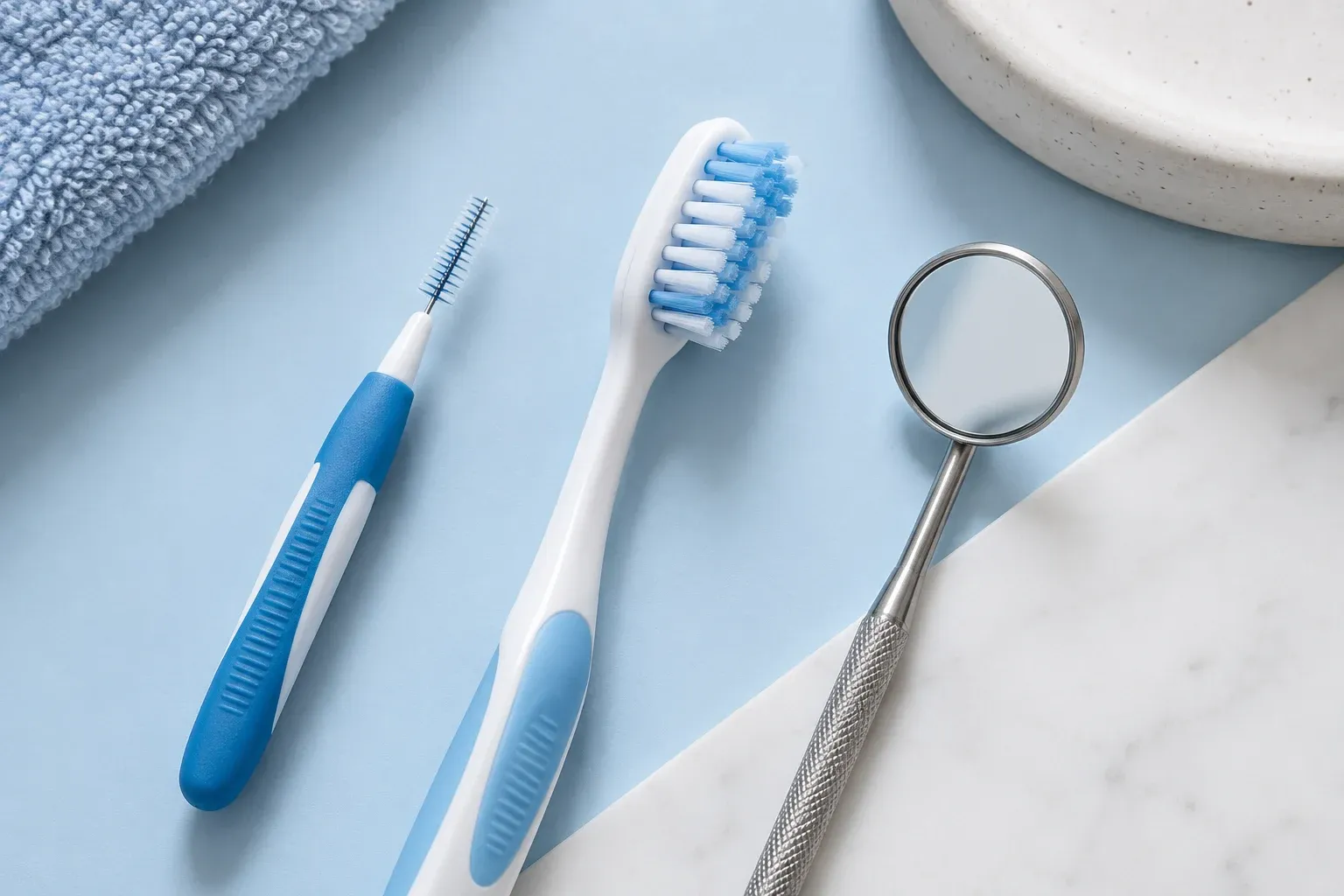
Oral hygiene is crucial for maintaining a healthy set of teeth. Learn more about plaque, tartar, personal brushing instructions, and aftercare.
Good oral hygiene is essential for maintaining healthy teeth and gums. Plaque and tartar are common problems that lead to gum inflammation and other dental issues. On this page, we discuss the key aspects of oral hygiene, including plaque and tartar, personal brushing instructions, assessing your gums, aftercare, and sensitivity.
Plaque is a sticky, colorless film of bacteria that forms on your teeth. If plaque is not regularly removed through proper brushing, it can harden into tartar. Tartar is difficult to remove and can only be taken away by a dentist or dental hygienist. It is important to have your teeth checked regularly to address plaque and tartar in a timely manner.
To prevent plaque and tartar, it is essential to maintain good oral hygiene. This includes brushing and flossing daily, but using a mouthwash can also help. Regular check-ups with your dentist ensure that any buildup is addressed promptly, helping you to avoid serious dental problems.
Personal brushing instructions allow you to optimize your oral hygiene. Every set of teeth is unique, and therefore it is important that you learn how to brush your teeth effectively. This may include which techniques to use and which tools, such as special toothbrushes or toothpaste, are most suitable for your situation.
During an appointment, a dental hygienist can guide you in learning the correct brushing technique. This may also include learning how to clean between your teeth and molars. By following the right instructions, you can significantly improve the effectiveness of your oral hygiene.
Assessing your gums is an essential part of oral hygiene. Healthy gums are firm and pink, while inflamed gums may appear red and swollen. Regular check-ups with your dentist help monitor the health of your gums and detect any problems early.
A dentist or dental hygienist can also advise you on how to care for your gums. This may include applying special techniques while brushing or using certain products to reduce inflammation. It is important to be alert to changes in your gums so that you can intervene in a timely manner.
Aftercare is a crucial part of your oral hygiene. After a treatment or check-up, it is important to follow the advice of your caregiver. This may involve paying extra attention to certain areas in your mouth or using specific products to support your oral health.
Additionally, it is advisable to return regularly for check-ups. This not only helps keep your teeth in good condition but also allows for early detection of any problems. Good aftercare can make a difference in preserving your teeth in the long term.
Tooth sensitivity can have various causes, such as receding gums or wear of the tooth enamel. This can lead to pain or discomfort when eating or drinking hot or cold foods. It is important to discuss this sensitivity with your dentist so that the appropriate approach can be determined.
There are various ways to alleviate sensitivity, such as using special toothpaste or adjusting your oral hygiene routine. Your dentist can advise you on the best solutions based on your specific situation and needs.
Brush at least twice a day to prevent plaque and tartar. Use a fluoride toothpaste for optimal protection.
Floss daily to remove plaque between the teeth. This prevents cavities and gum problems.
Consider using a mouthwash for extra protection against bacteria and plaque. This can further improve your oral hygiene.
Schedule regular check-ups with your dentist to monitor the health of your teeth and gums.
Ask your dentist or dental hygienist for personal brushing instructions to optimize your oral hygiene.
Plaque is a sticky layer of bacteria that forms on your teeth. Tartar is hardened plaque that is difficult to remove without professional help.
It is advisable to brush your teeth at least twice a day, preferably in the morning and evening, to prevent plaque and tartar buildup.
If you suffer from sensitive teeth, you can try special toothpaste for sensitive teeth, and it is wise to discuss this with your dentist for targeted advice.
It is advisable to visit the dentist at least once a year for a check-up. Depending on your oral health, this may be needed more frequently.
Flossing helps remove plaque and food particles between the teeth that a toothbrush cannot reach. This prevents cavities and gum problems.
Are you not yet a patient with us? Read how to register and how the first appointment goes. In your application, you can already explain your questions and wishes.
Information for new patientsAre you apprehensive about an appointment? Tell us what you are worried about. Read more about our guidance and discuss what explanation or support you would find helpful.
Dealing with fear of the dentistAsk what treatment is being proposed and what costs are associated with it. Do you have questions about payment? Check the information about payment options or contact us.
Payment and payment optionsRequest an appointment, and we will see together what is needed.
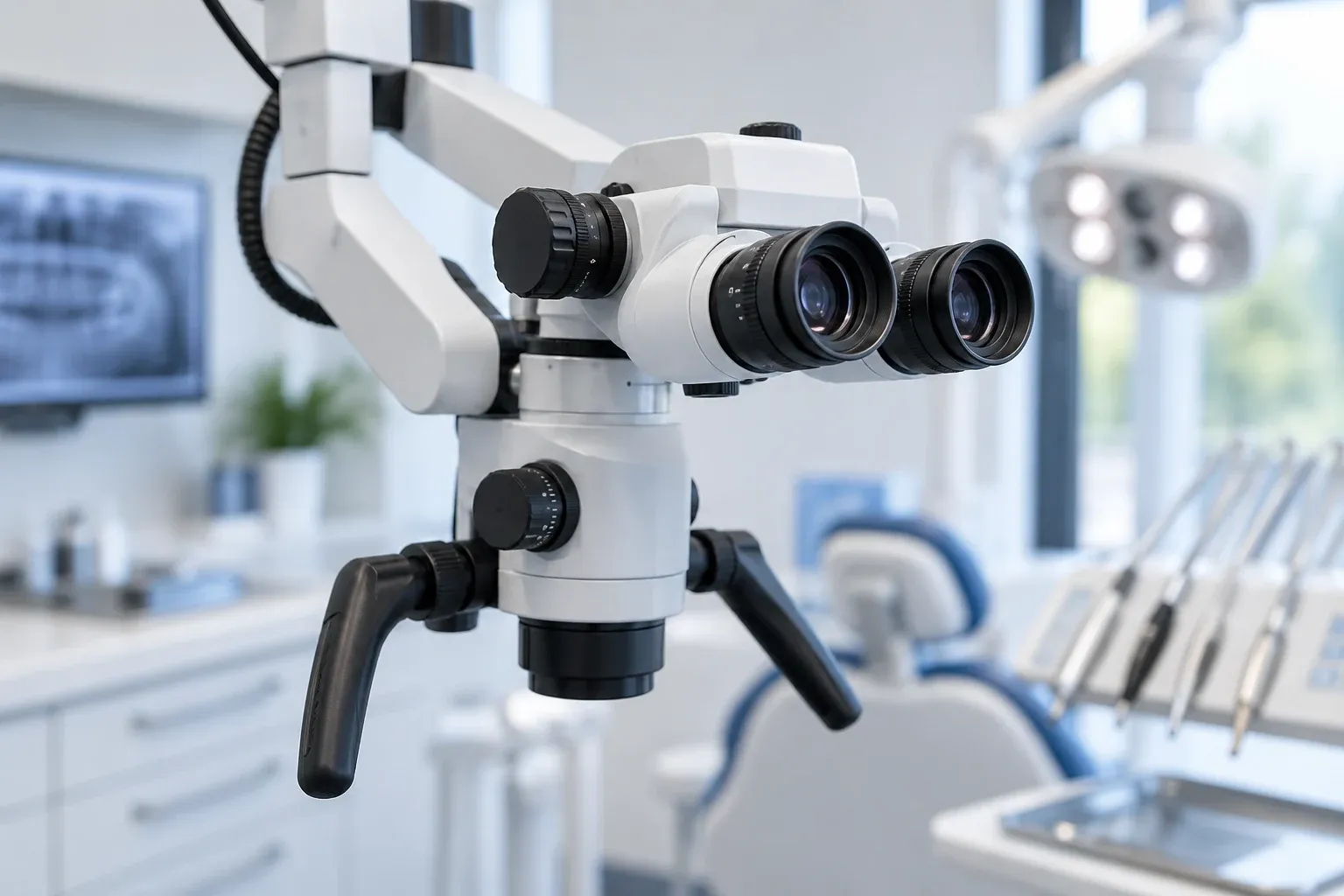
Root canal treatment with magnification helps save teeth. Here you can read about preparation, process, aftercare, and costs.
View options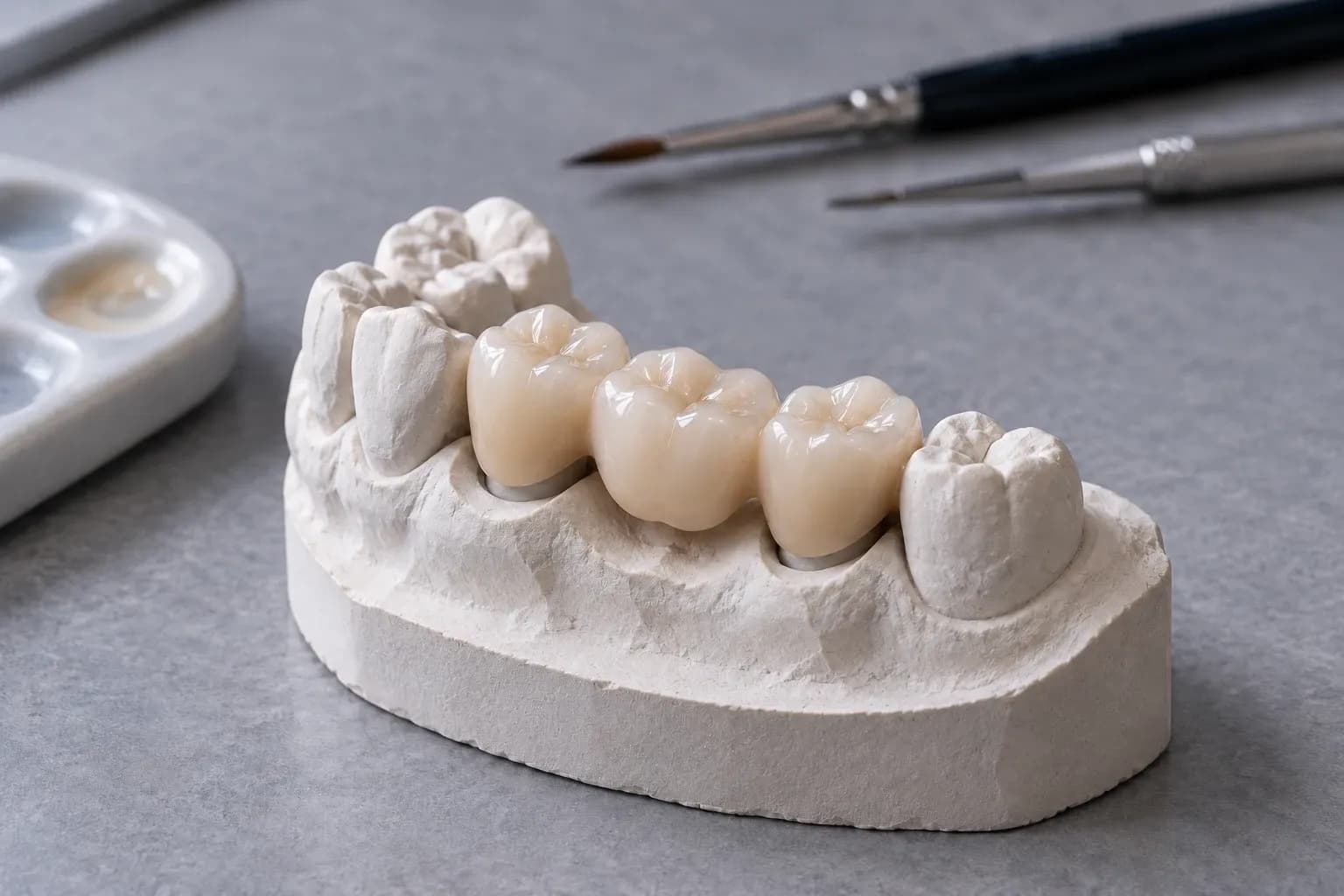
Crowns and bridges help restore damaged teeth and molars. This page provides you with insight into the differences, preparation, maintenance, and alternatives.
View options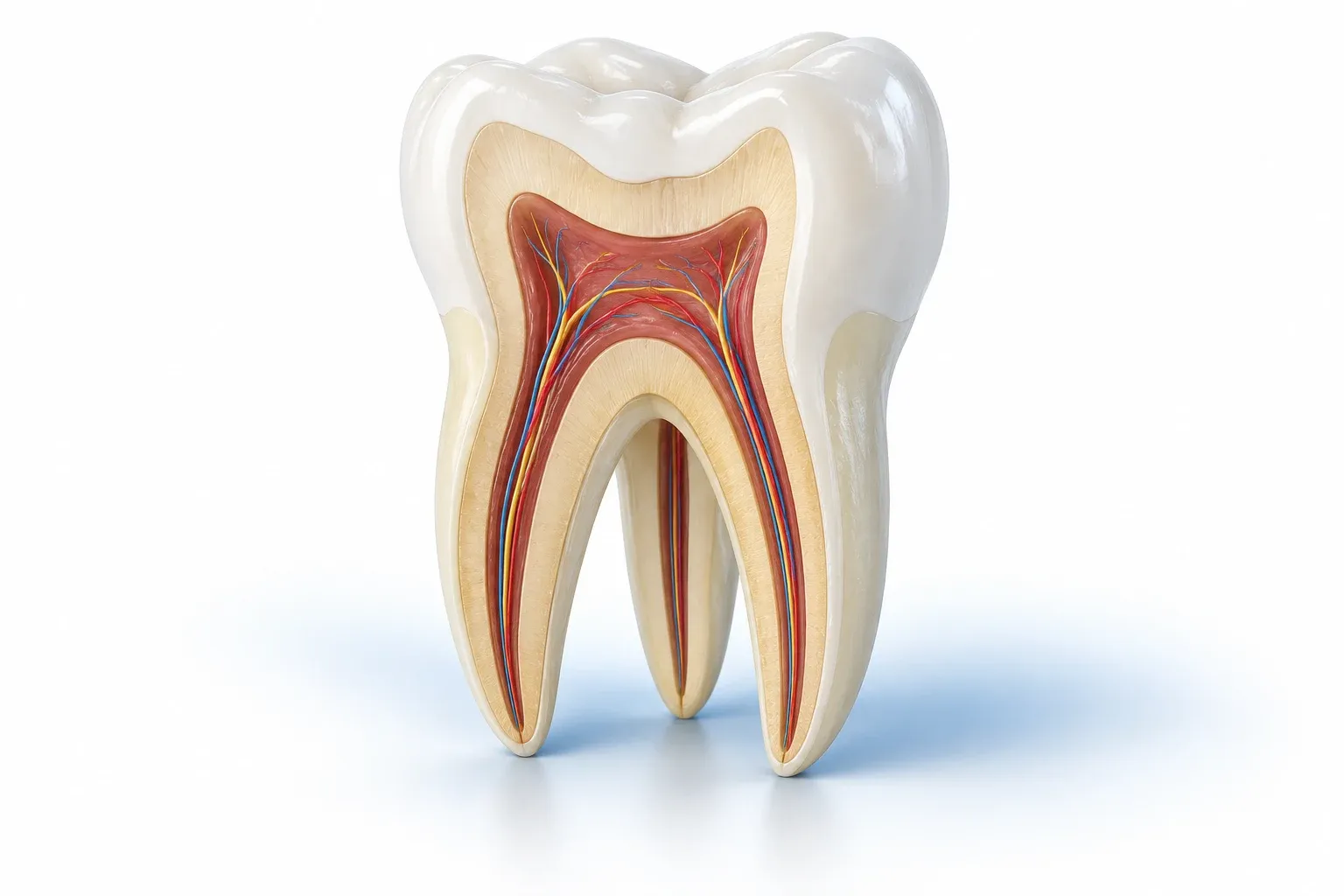
A root canal treatment helps with inflamed dental tissue. On this page, you will find information about the diagnosis, treatment steps, and aftercare.
View options