
Your first visit
Are you not yet a patient with us? Read how to register and how the first appointment goes. In your application, you can already explain your questions and wishes.
Information for new patientsOrthodontics helps improve your bite and tooth alignment. Whether you are a child or an adult, we guide you through the process.
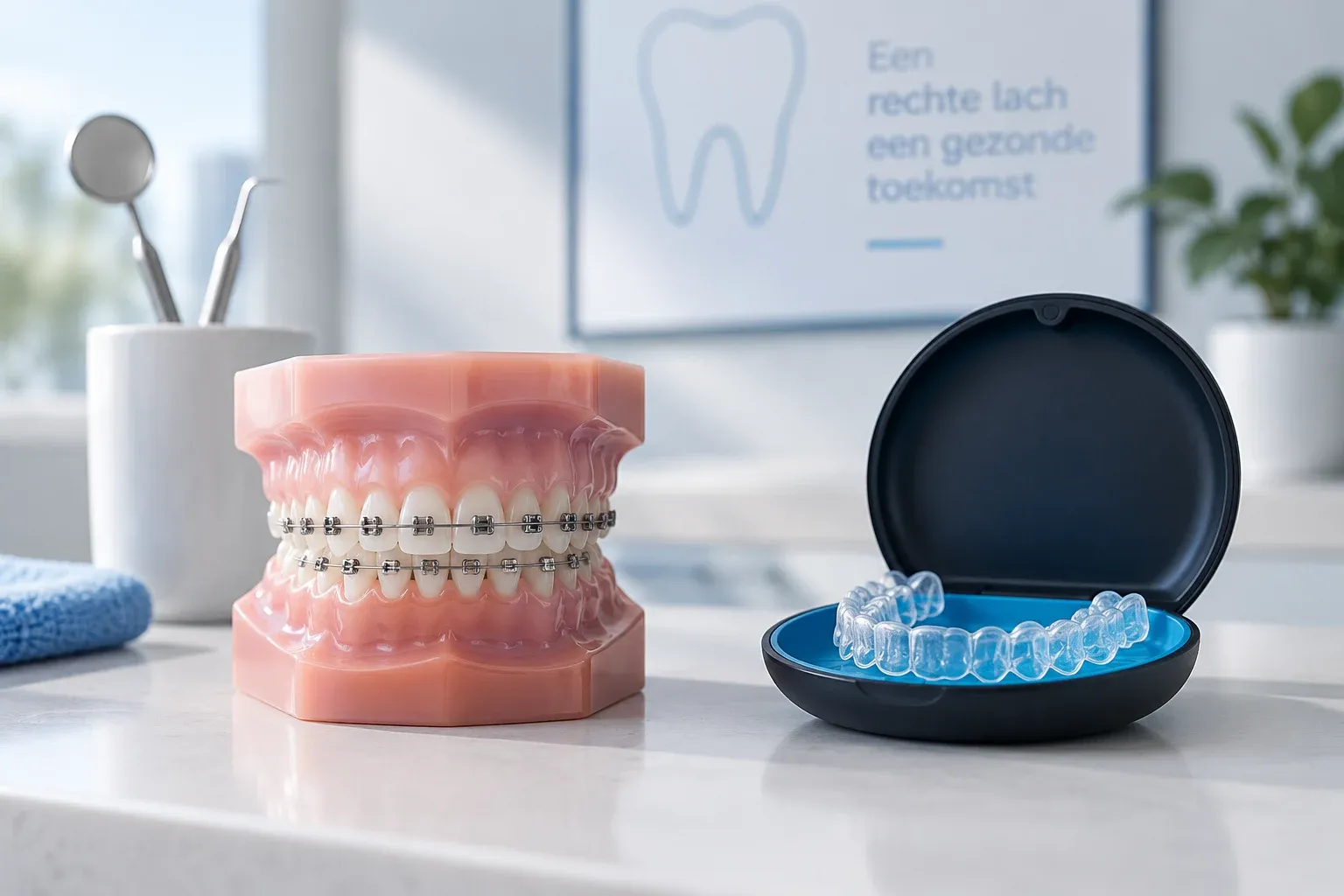
Orthodontics focuses on improving tooth alignment and bite. This can be for both children and adults. A good treatment plan and aftercare are essential for the result.
Orthodontics is a branch of dentistry that focuses on improving tooth alignment and bite. A good bite is important for oral health and can affect overall well-being. Whether you are a child or an adult, there are various options to correct tooth alignment. In this page, we discuss the key aspects of orthodontics, from treatment plans to retention.
A correct bite and tooth alignment are crucial for a healthy mouth. An incorrect bite can lead to problems such as tooth wear, jaw pain, or even speech issues. Orthodontic treatments are designed to address these problems by bringing the teeth and jaws into the correct position.
There are various types of deviations in bite and tooth alignment, such as overbite, underbite, or crooked teeth. It is important to recognize these deviations early, especially in children, to prevent future complications. An orthodontist can advise you on the best approach, depending on your specific situation.
Orthodontics is not just for children. More and more adults are choosing orthodontic treatment to improve their smile. Children often benefit from early treatment, as their jaws are still developing. This can help correct problems at an early stage.
Adults also have various options, such as invisible braces or traditional metal braces. It is important to know that each age group has unique challenges and opportunities. A personal consultation can help find the best solution for your situation.
During the first appointment, your teeth will be thoroughly examined. This examination helps the orthodontist create a tailored treatment plan. The treatment plan includes information about the type of braces needed, the duration of the treatment, and the expected results.
If you are referred by your dentist, it is important to bring all relevant information. This can help in formulating an effective treatment plan. You can also ask questions about the treatment so that you can start the therapy well-informed.
The treatment with braces can vary from a few months to several years, depending on the complexity of your situation. Regular check-ups are scheduled during the treatment to monitor progress. The orthodontist can adjust the treatment as needed based on these check-ups.
During the treatment, it is important to maintain good oral hygiene. This can help prevent complications such as tooth decay or infections. The orthodontist will provide you with advice on how to best care for your teeth during the treatment.
After the active treatment, aftercare is crucial. This may involve wearing a retainer, a device that keeps the teeth in their new position. It is important to follow your orthodontist's instructions regarding wearing the retainer.
Aftercare can vary from person to person. Some people need to wear their retainer daily, while others only need to do so at night. Regular check-ups are important to ensure that everything remains in place.
During the first consultation, your teeth will be examined and your wishes will be discussed. This forms the basis for the treatment plan.
After the examination, the orthodontist will create a treatment plan tailored to your specific situation.
The active treatment begins with the placement of the braces. You will return regularly for check-ups.
After the treatment, an aftercare process follows with the wearing of a retainer to maintain the results.
The duration of orthodontic treatment varies, but usually ranges from 6 months to 2 years. This depends on the complexity of your teeth and the desired outcome.
Most people experience some discomfort when wearing braces, especially in the first few weeks. This is normal and usually subsides quickly.
It is not advisable to tinker with your teeth yourself. This can lead to serious damage. Always consult a professional for advice.
The costs of orthodontic treatments vary depending on the type of braces and the duration of the treatment. It is advisable to discuss this during the consultation.
A retainer is a device that you wear after treatment to prevent your teeth from returning to their original position. It is an important part of aftercare.
Are you not yet a patient with us? Read how to register and how the first appointment goes. In your application, you can already explain your questions and wishes.
Information for new patientsAre you apprehensive about an appointment? Tell us what you are worried about. Read more about our guidance and discuss what explanation or support you would find helpful.
Dealing with fear of the dentistAsk what treatment is being proposed and what costs are associated with it. Do you have questions about payment? Check the information about payment options or contact us.
Payment and payment optionsRequest an appointment, and we will see together what is needed.
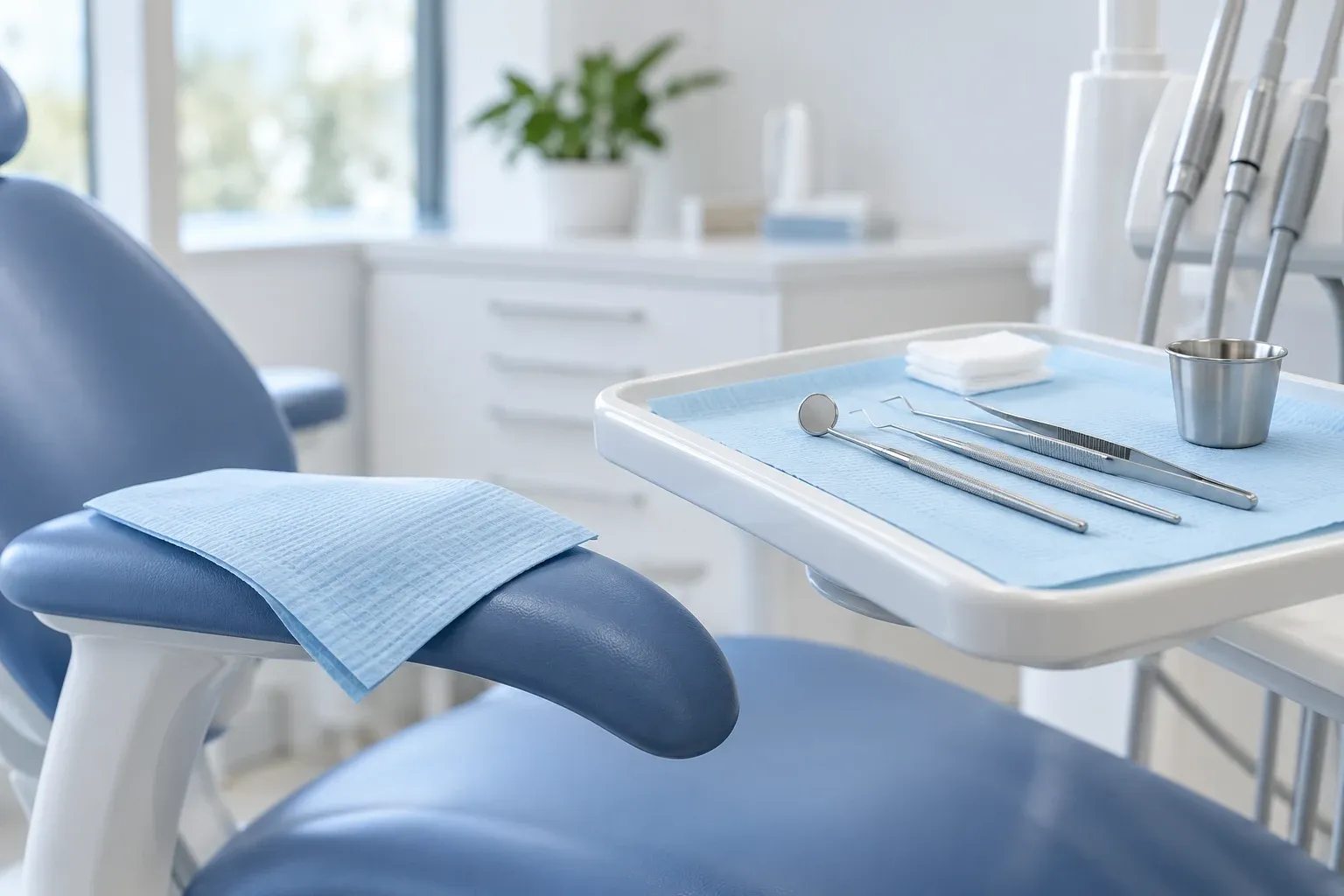
On this page, you will read everything about anesthesia and comfort during dental treatments. We discuss local anesthesia, preparation, aftercare, and more.
View options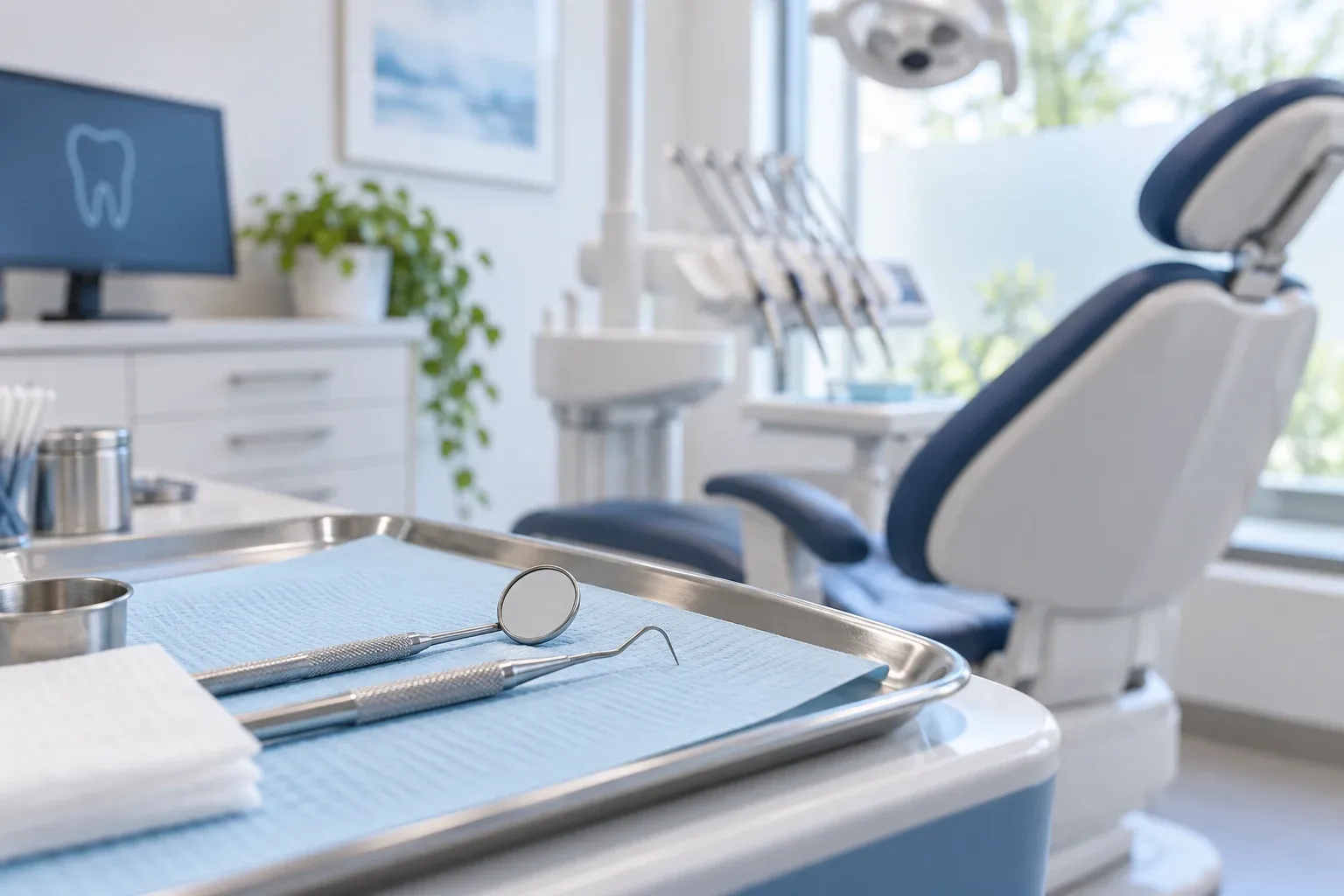
Emergency care for dental complaints requires a telephone assessment. In case of severe symptoms such as shortness of breath or swallowing problems with swelling, immediate help is necessary.
View options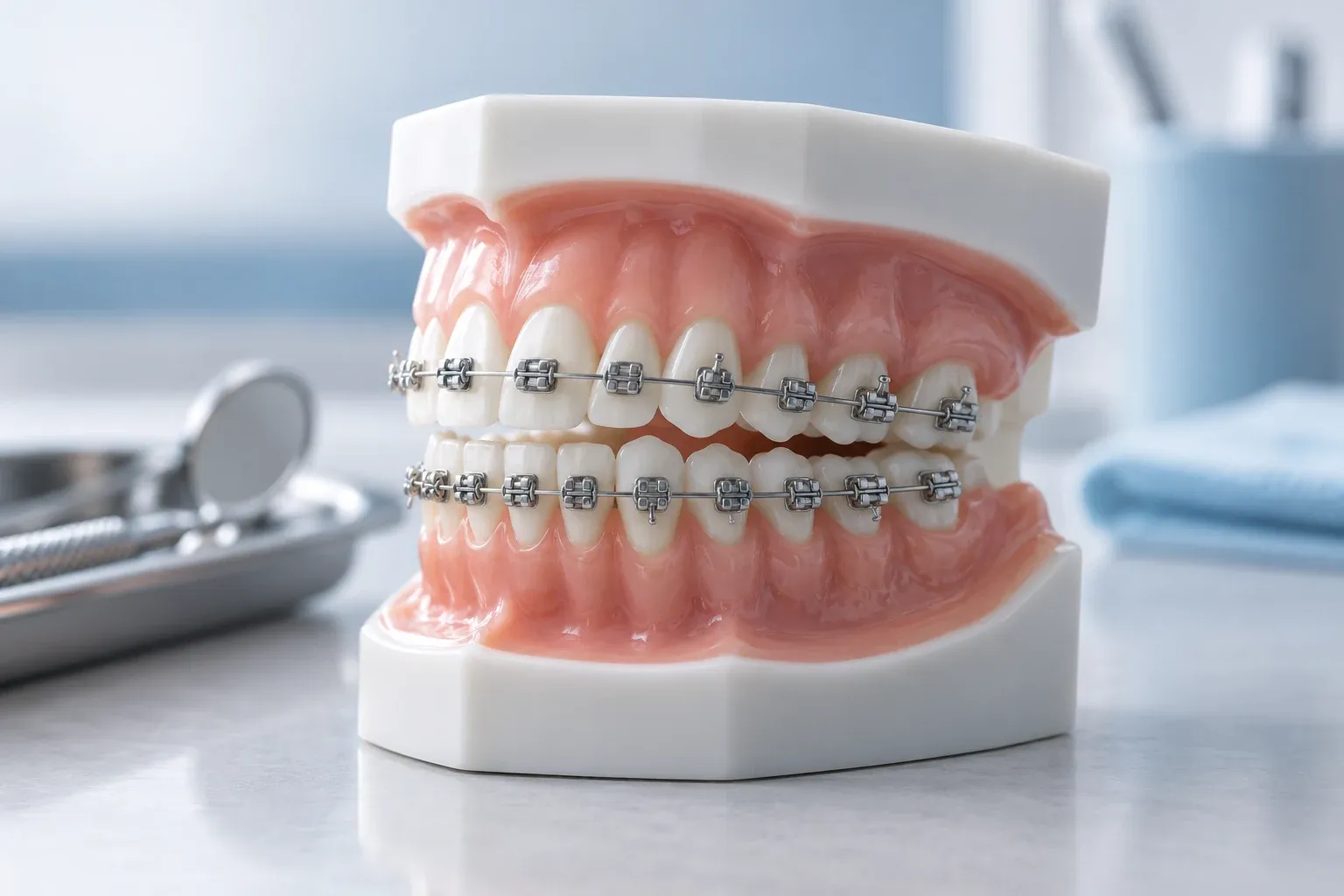
Braces are an effective way to correct the alignment of your teeth and bite. Here you can read more about the examination, the different brace options, maintenance, and retention.
View options